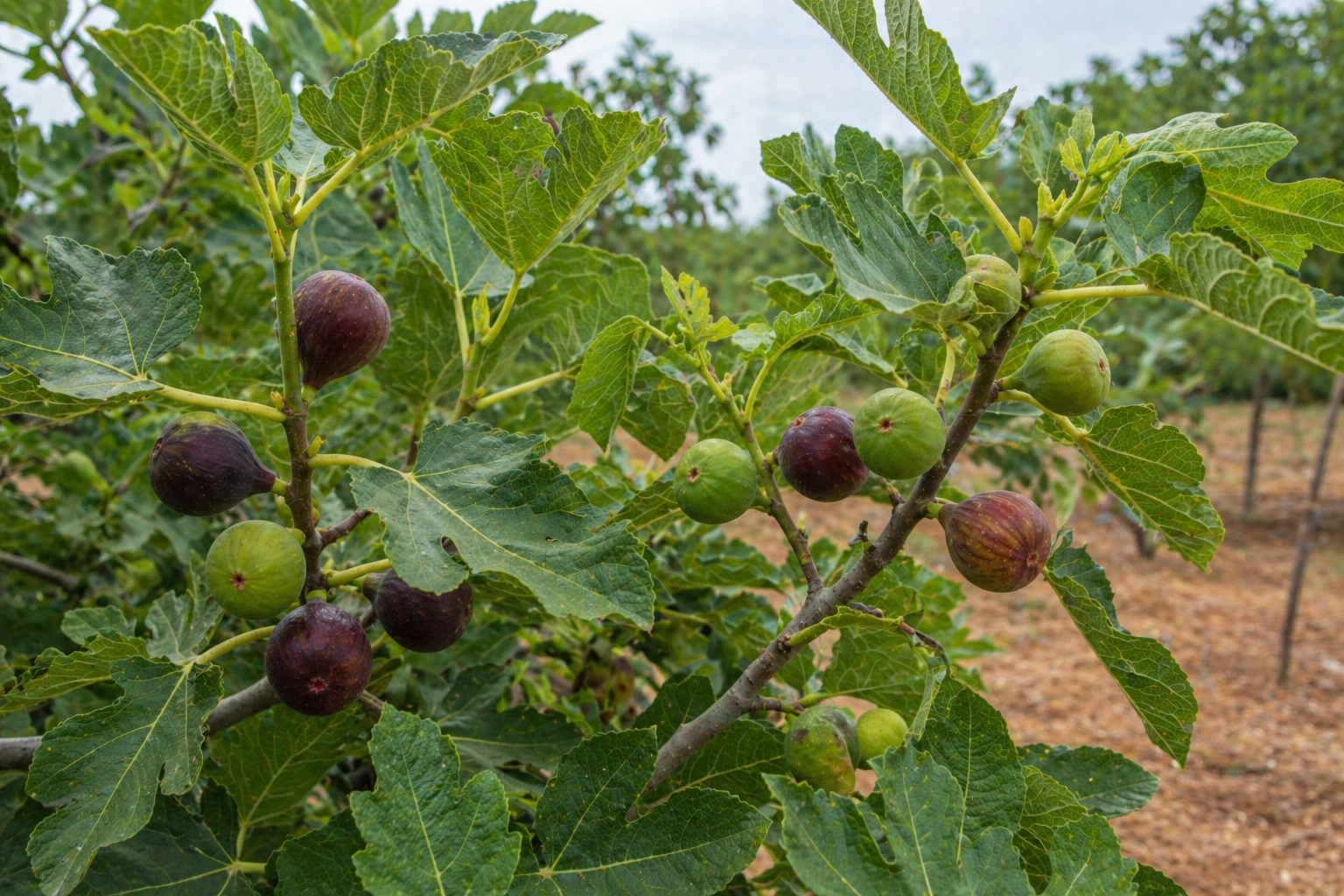
Why Figs Deserve a Place in Your Diet
Figs are not just delicious — they are also versatile, fiber-rich, and naturally sweet. They can be eaten fresh, dried, or used in salads, desserts, smoothies, and baked dishes.
Natural Sweetness
Figs offer a rich, honey-like taste without the need for added sugar in many recipes.
Fiber-Rich
They support healthy digestion and help you feel full for longer.
Easy to Use
Enjoy them fresh, chopped into salads, dried as a snack, or blended into smoothies.
Health Benefits of Figs
Here are some of the biggest reasons people love figs.
Rich in Antioxidants
The deep purple and red hues in fig skins signify a high concentration of polyphenols and anthocyanins. These antioxidants help neutralize harmful free radicals, reducing oxidative stress and supporting overall wellness.
Natural, Low-GI Sweetener
While sweet, figs have a moderate Glycemic Index (GI). Their high fiber content slows the absorption of sugars into the bloodstream, making them a healthier alternative to refined sugar in baking and snacking.
More Good Reasons to Eat Figs
Supports Digestion
Fiber helps promote regular bowel movement and overall gut health.
Mineral Source
Figs contain potassium, calcium, magnesium, and iron in useful amounts.
Heart-Friendly
Their natural plant compounds and fiber can support a balanced diet.
The Cons (Things to Keep in Mind)
Figs are healthy, but moderation matters — especially with dried figs.
Natural Laxative Effect
While fiber is great for digestion, consuming too many figs — especially dried ones — can lead to mild digestive distress, cramping, or a laxative effect. If your body isn't used to a high-fiber diet, it's best to introduce them gradually.
Extremely Short Shelf Life (Fresh Figs)
Fresh figs are highly perishable. Once harvested, they typically last only 3 to 5 days in the refrigerator. Because they do not ripen after being picked, they must be handled delicately to prevent bruising and spoilage.
High Sugar & Calorie Density When Dried
When figs are dried, their water content is removed, concentrating both the nutrients and the sugars. Dried figs are much higher in calories and carbohydrates per gram than fresh ones, meaning portion control is essential if you are monitoring your sugar intake.
Potential Allergenic Reactions
Figs contain a substance called ficin, an enzyme that can cause oral tingling or mild irritation for people with sensitive skin or those allergic to latex or weeping fig trees (Ficus benjamina).
Nutritional Highlights
Approximate nutrients commonly found in figs.
Fiber
Supports digestion and satiety.
Potassium
Helps maintain electrolyte balance.
Calcium
Useful for bones and teeth.
Magnesium
Important for energy and muscle function.
How to Enjoy Figs
Fresh
Eat as a snack, add to cheese boards, or pair with honey and yogurt.
Dried
Great for travel, energy bites, baking, and trail mixes.
In Recipes
Use in salads, jams, desserts, smoothies, oat bowls, and sauces.
Storage Tips
Fresh Figs
- Store in the refrigerator.
- Keep them dry and unwashed until use.
- Consume within a few days for best taste and texture.
Dried Figs
- Keep in an airtight container.
- Store in a cool, dry place.
- Refrigerate for longer shelf life if needed.
Frequently Asked Questions
Are figs better fresh or dried?
Fresh figs are lower in calories per serving and softer in texture, while dried figs are more concentrated in sugar and nutrients. Both are healthy when eaten in moderation.
Can I eat figs every day?
Yes, in moderate amounts. A small serving can fit into a balanced diet, especially if you are mindful of your sugar intake.
What is the best way to eat figs?
Fresh figs taste great on their own, while dried figs work well in snacks, oatmeal, baked goods, and trail mixes.
Do figs need to be peeled?
No, the skin is edible. Just wash fresh figs gently before eating.
Final Takeaway
Figs are a delicious, nutritious fruit with many benefits — but like all foods, they are best enjoyed in moderation. Fresh figs offer a soft, sweet, seasonal treat, while dried figs are a convenient pantry snack.